Dining Table Lazy Susan: Styles, Sizes & Buying Guide
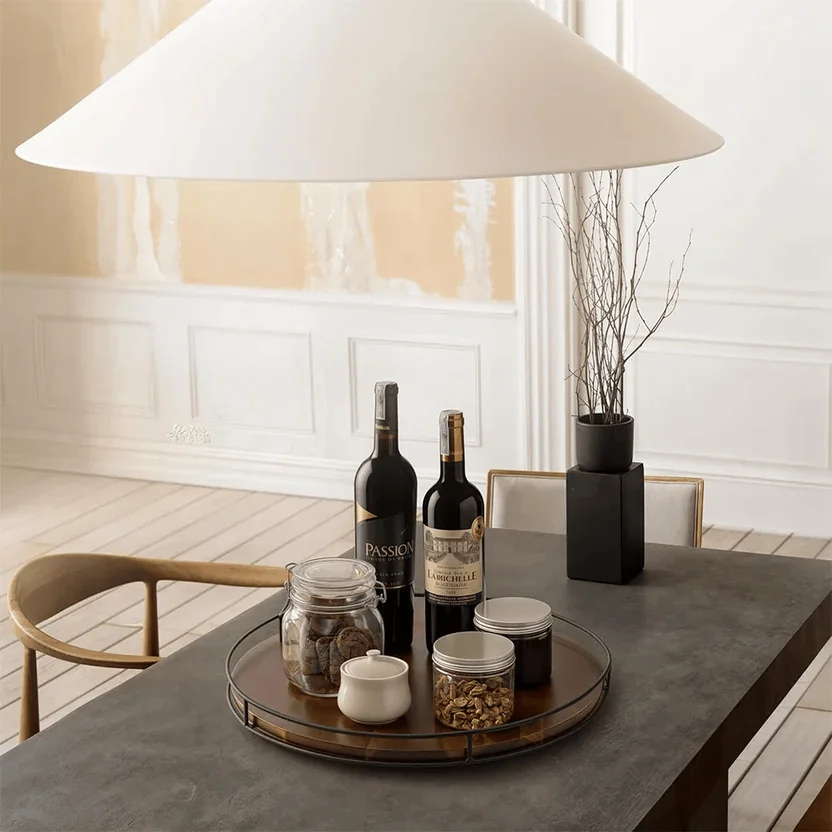
** Dining Table Lazy Susan: Styles, Sizes & Buying Guide**
Dining Table Lazy Susan
Dining Table Lazy Susan: Styles, Sizes & Buying Guide
Dining Table Lazy Susan options are worth comparing when you want shared dishes, condiments, and serving pieces to stay within easy reach. The right turntable can make a dining table more practical without taking over the centre of the room. Size, material, stability, and overall style all matter when choosing a piece for everyday meals or entertaining.
What to know before choosing a lazy Susan
A lazy Susan is designed to improve serving flow by allowing shared items to rotate towards the person who needs them. Instead of passing bowls and bottles around the table, guests can turn the surface and bring what they need closer.
This makes the design particularly useful for family meals, shared dishes, and occasions when several people are serving themselves. Before choosing one, consider the size of your table, how much space is available in the centre, and the types of items you usually place there.
Why add a lazy Susan to your dining table?
A rotating surface can reduce unnecessary reaching across plates and glasses while keeping shared items organised in one area. It can also create a more defined centre point on the table.
For everyday dining, it may hold sauces, condiments, bread, butter, or smaller serving bowls. When entertaining, it can provide an easy way for guests to access shared food without repeatedly passing dishes from one side of the table to another.
Wooden lazy Susan options
Wooden lazy susans bring natural texture and warmth to a dining setting. Timber grain can also add visual interest without requiring a decorative finish or complicated styling.
When comparing wooden options, look at the overall construction, surface finish, stability, and suitability for regular use. Natural timber can work especially well with modern, Japandi, rustic, and neutral dining spaces because it adds texture while remaining relatively understated.
Choosing the right size
The diameter should suit the available centre space rather than simply being as large as possible.
| Table size | Suggested approach | Why it works |
| ------------------- | ------------------- | ---------------------------------------------- |
| Small dining table | Compact turntable | Leaves space for plates and glasses |
| Medium dining table | Mid-size lazy Susan | Provides useful serving space without crowding |
| Large dining table | Larger turntable | Gives more room for bowls and shared dishes |
Leave enough room around the turntable for plates, glasses, and comfortable movement. A smaller table can quickly feel crowded when the centrepiece is oversized, while a larger table may benefit from additional serving space.
Styles that suit different dining rooms
Shape, timber tone, surface finish, and edge details can all influence how a lazy Susan looks on the table. A simple round design can create a relaxed everyday feel, while a richer timber tone or more defined edge may suit a more refined dining arrangement.
The best choice usually complements the existing table and surrounding furniture. Rather than choosing a piece that demands attention, look for one that works naturally with the room.
Everyday ways to use a lazy Susan
Place sauces, dips, condiments, salads, bread, butter, or other shared items on the rotating surface. This keeps commonly used pieces together and makes them easier for everyone to reach.
A Dining Table Lazy Susan can also help reduce the number of serving pieces scattered across the table. One rotating area can handle several smaller essentials while leaving more space for plates and individual settings.
Lazy Susan versus a serving platter
A serving platter is useful when presentation is the priority, but it remains in one position. A lazy Susan adds movement, making it a better choice when several people need access to the same items.
You can also use both together. Place a serving dish on the rotating surface when you want the food to remain presented attractively while also making it easier for everyone to reach.
What to check before buying
Consider four practical details before choosing your turntable:
-
Size: Make sure the diameter fits comfortably within the centre of the table.
-
Stability: The base should feel secure while the surface rotates.
-
Finish: Choose a surface that works with your existing dining furniture.
-
Care: Check how the material should be cleaned and protected from moisture.
Thinking about these points first makes it easier to choose a piece that suits your actual routine rather than simply selecting the largest or most decorative option.
Using a lazy Susan when entertaining
For dinner parties and shared meals, a rotating surface can make self-serving easier. Guests can turn the tray towards themselves instead of waiting for a dish to be passed around the table.
It can also help create a more organised centre area when several dishes need to remain visible and accessible. Keep frequently shared items within reach and avoid overloading the surface so it continues to rotate comfortably.
Caring for a wooden lazy Susan
Natural timber benefits from simple, consistent care. Wipe the surface with a soft, slightly damp cloth and dry it thoroughly. Avoid soaking the wood or leaving spills sitting on the surface for extended periods.
Keep the turntable away from unnecessary moisture and excessive heat. Gentle cleaning and careful everyday use can help preserve the timber surface and keep the rotating mechanism working smoothly.
Choose by table, size, and routine
The best Dining Table Lazy Susan is one that fits comfortably within your available space and supports the way you actually serve food. Compare the diameter first, then consider material, finish, stability, and the types of dishes or shared essentials you want to place on it.
For everyday meals, a practical timber design can keep condiments and shared dishes within easy reach. For entertaining, a larger option may provide more useful serving space. Choose the size and style that work with your table, then keep the arrangement simple enough for the turntable to remain easy to use.